The four families
Strategists, Seekers, Keepers and Improvisers: four core motivations that group the sixteen types.
An old idea, a modern grouping
The notion that people come in four temperaments is ancient. Greek and Roman physicians linked character to four bodily humors, giving us words like sanguine and melancholic. The physiology was wrong, but the hunch that a few broad motivations organize personality has proved durable.
In the late 1970s, the psychologist David Keirsey grouped the sixteen types into four temperaments using two letters each: SJ, SP, NF and NT. Koseiha uses the same four groupings with its own names, chosen to describe what each family is moved by.
How common each family is
- Keepers SJ42.4%
- Improvisers SP26.1%
- Seekers NF19.2%
- Strategists NT12.3%
Source: MBTI Global Step I results for a US sample of 3,578 adults, matched to US census targets (Schaubhut et al., 2018). Shares differ between countries, age groups and samples.
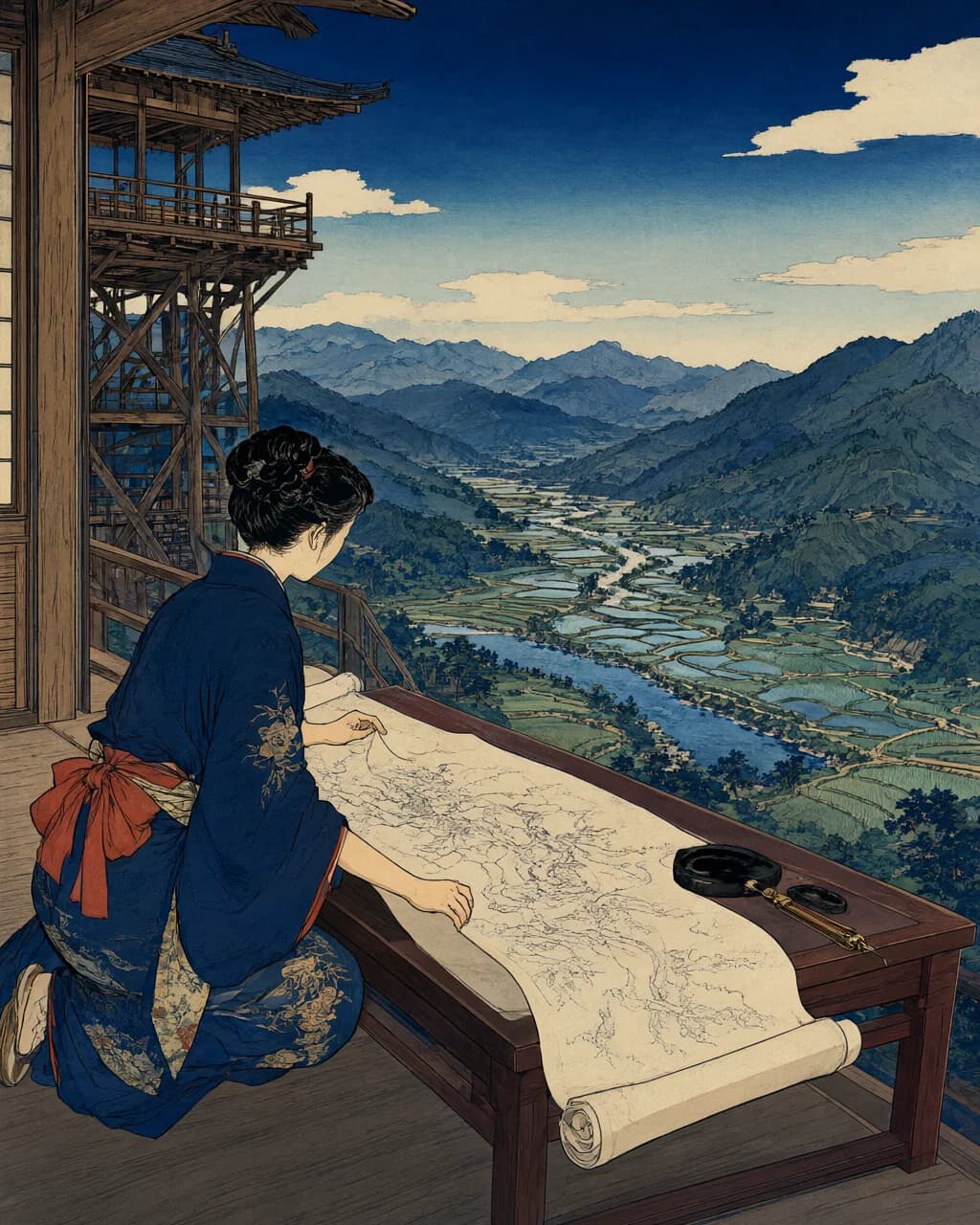
Strategists (NT)
Driven by understanding and competence.
12.3% of people
Strategists combine big-picture perception with logical decision-making. They want to know how things work, why they work, and how they could work better, and they hold themselves and others to high standards of reasoning.
- What they bring to a group
- Long-range thinking, rigorous analysis and the nerve to question how things have always been done.
- Where friction starts
- Impatience with ideas that do not hold up, and a habit of fixing the system before asking how people feel about it.
Seekers (NF)
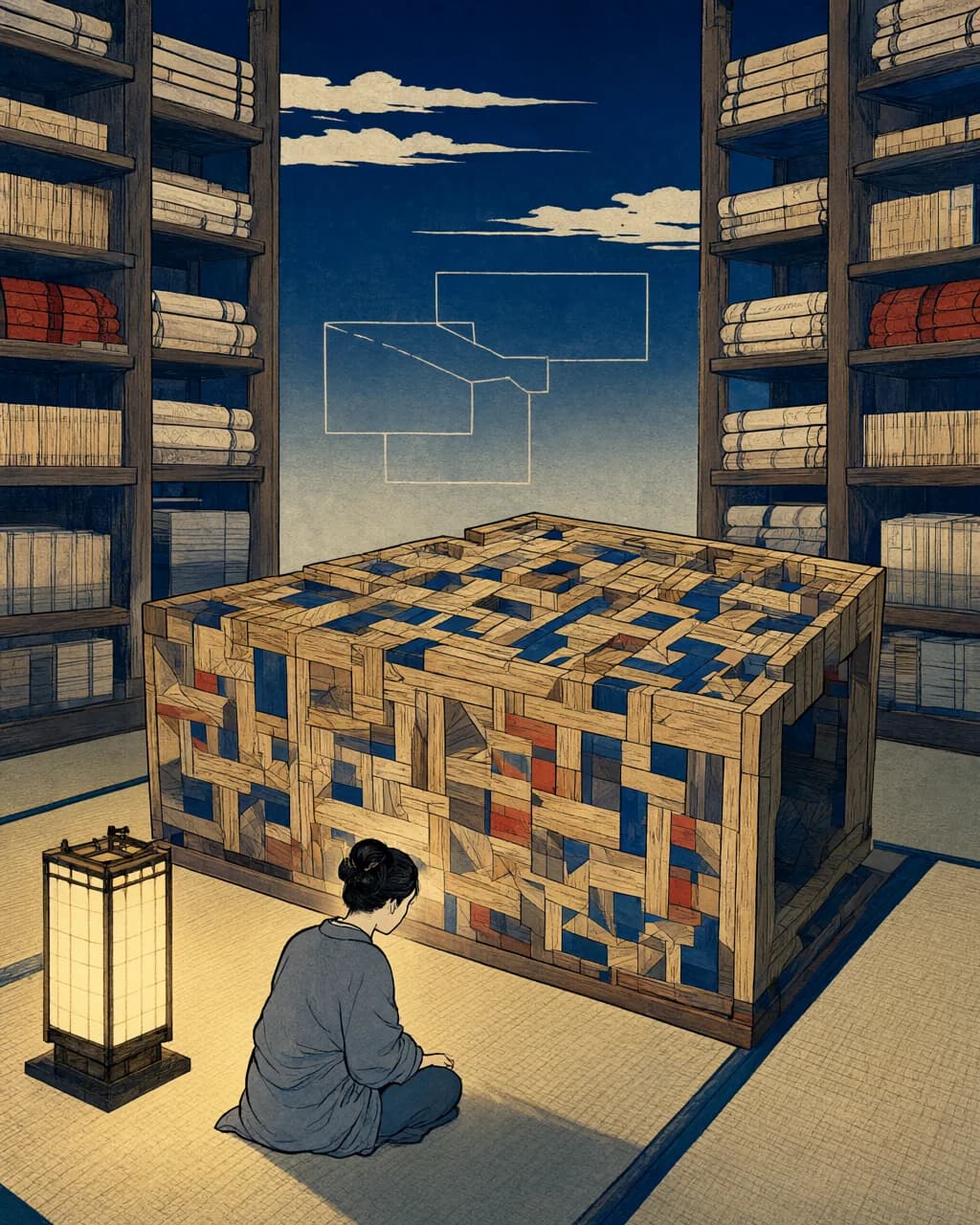
Driven by meaning and connection.
19.2% of people
Seekers combine big-picture perception with values-based decision-making. They look for purpose in their work and depth in their relationships, and they are often at their best helping people grow into who they could be.
- What they bring to a group
- A sense of purpose, an eye for each person's potential and the ability to name what a group really cares about.
- Where friction starts
- Taking criticism of the work as criticism of the self, and drifting from practical details that seem meaningless.

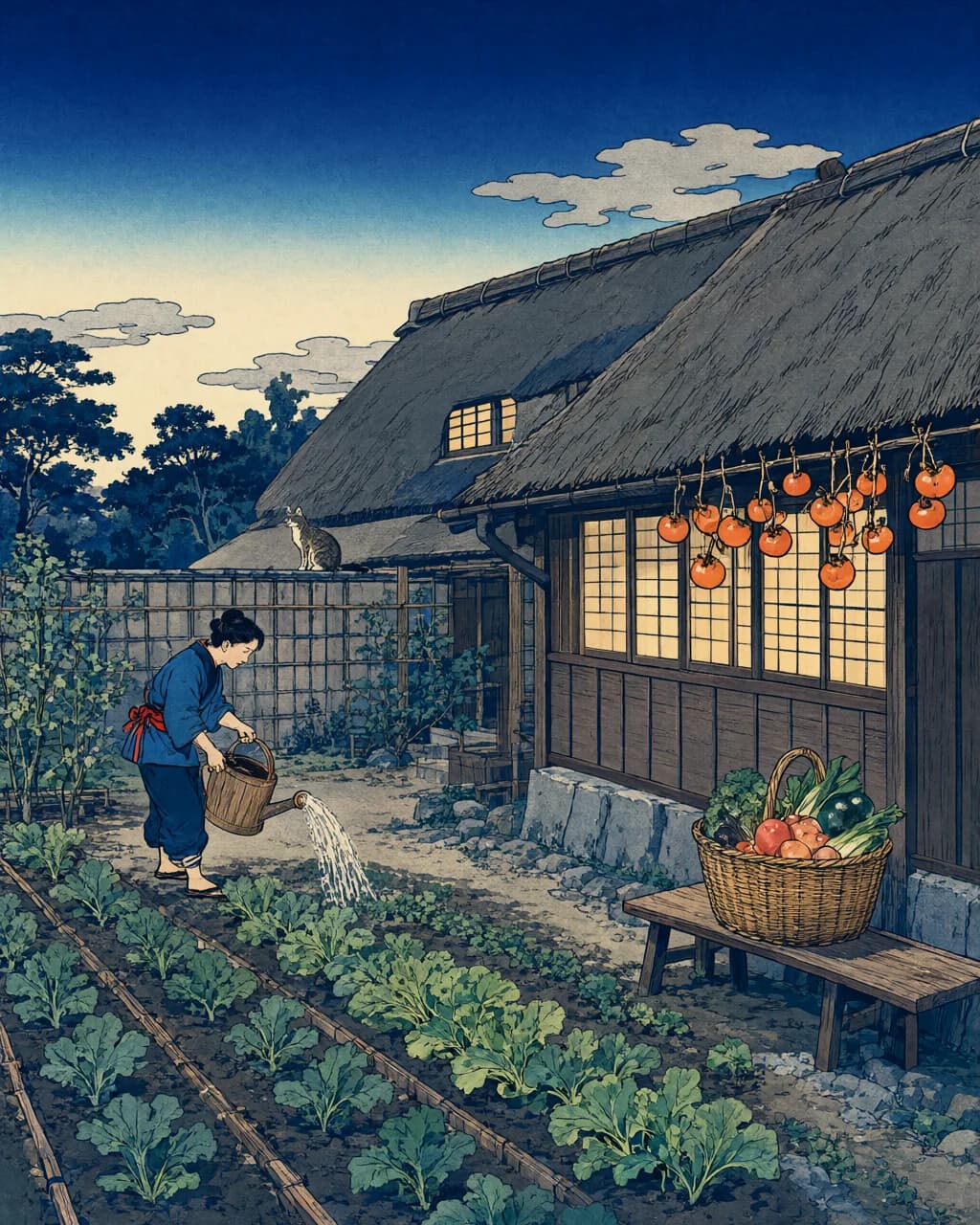
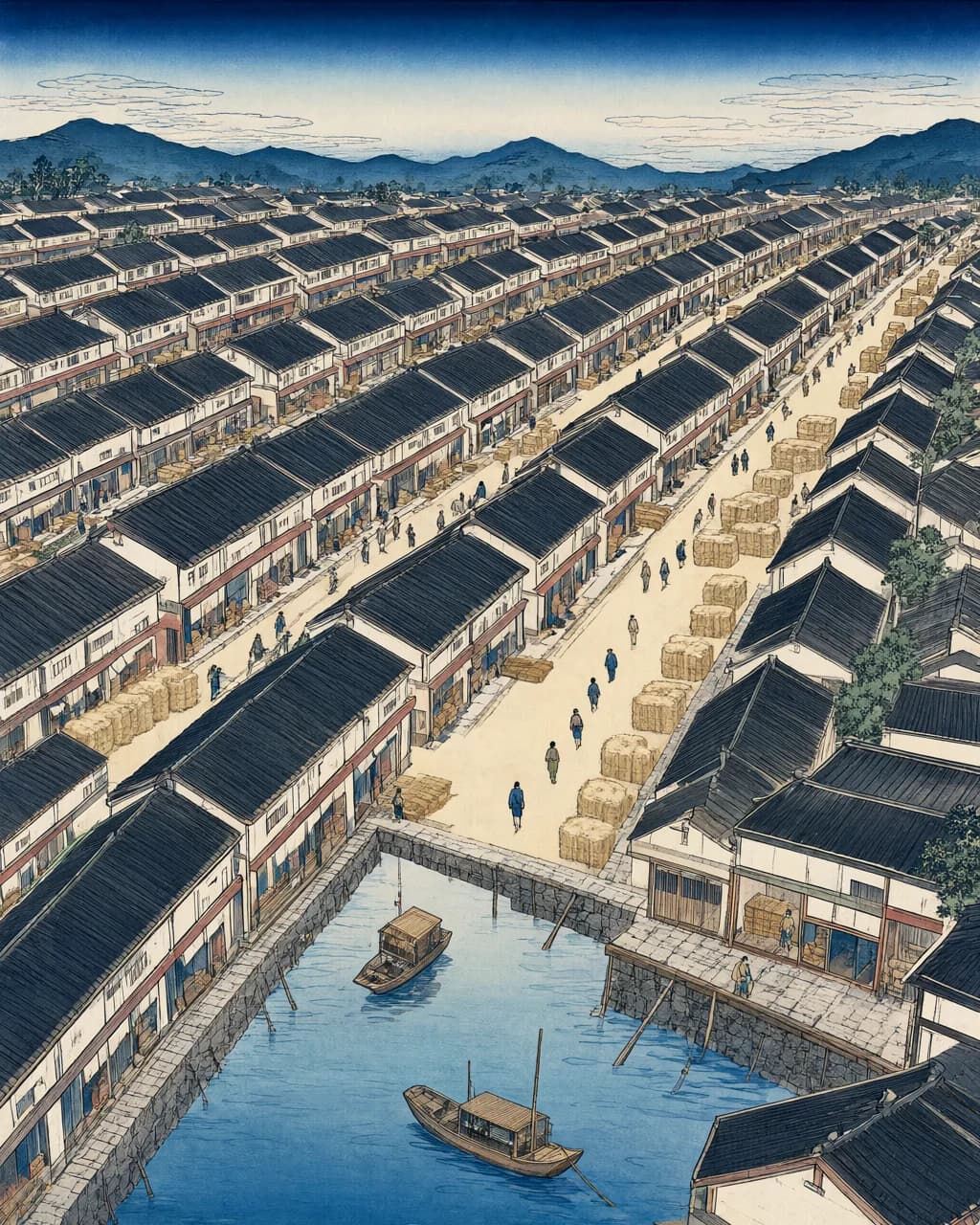
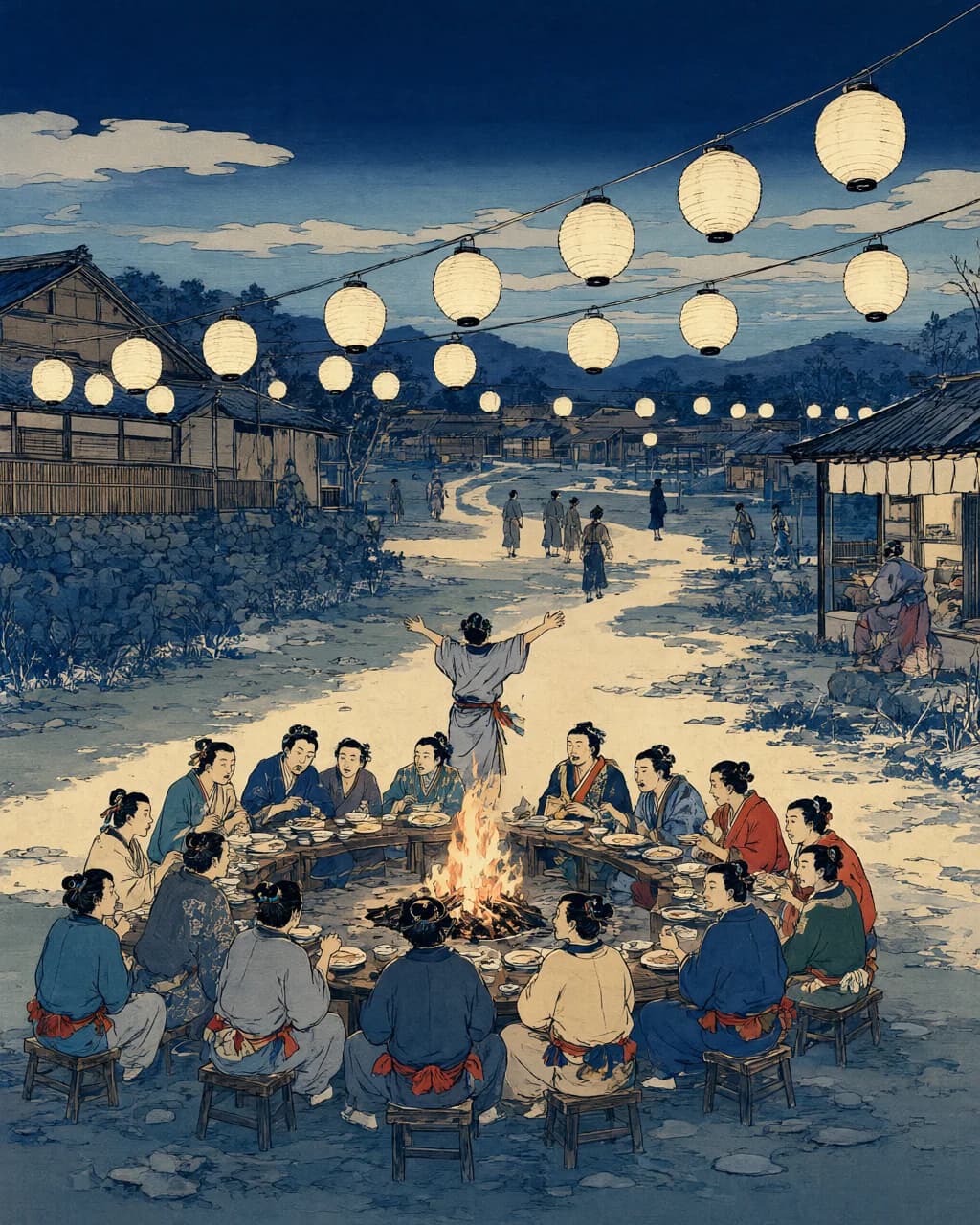
Keepers (SJ)
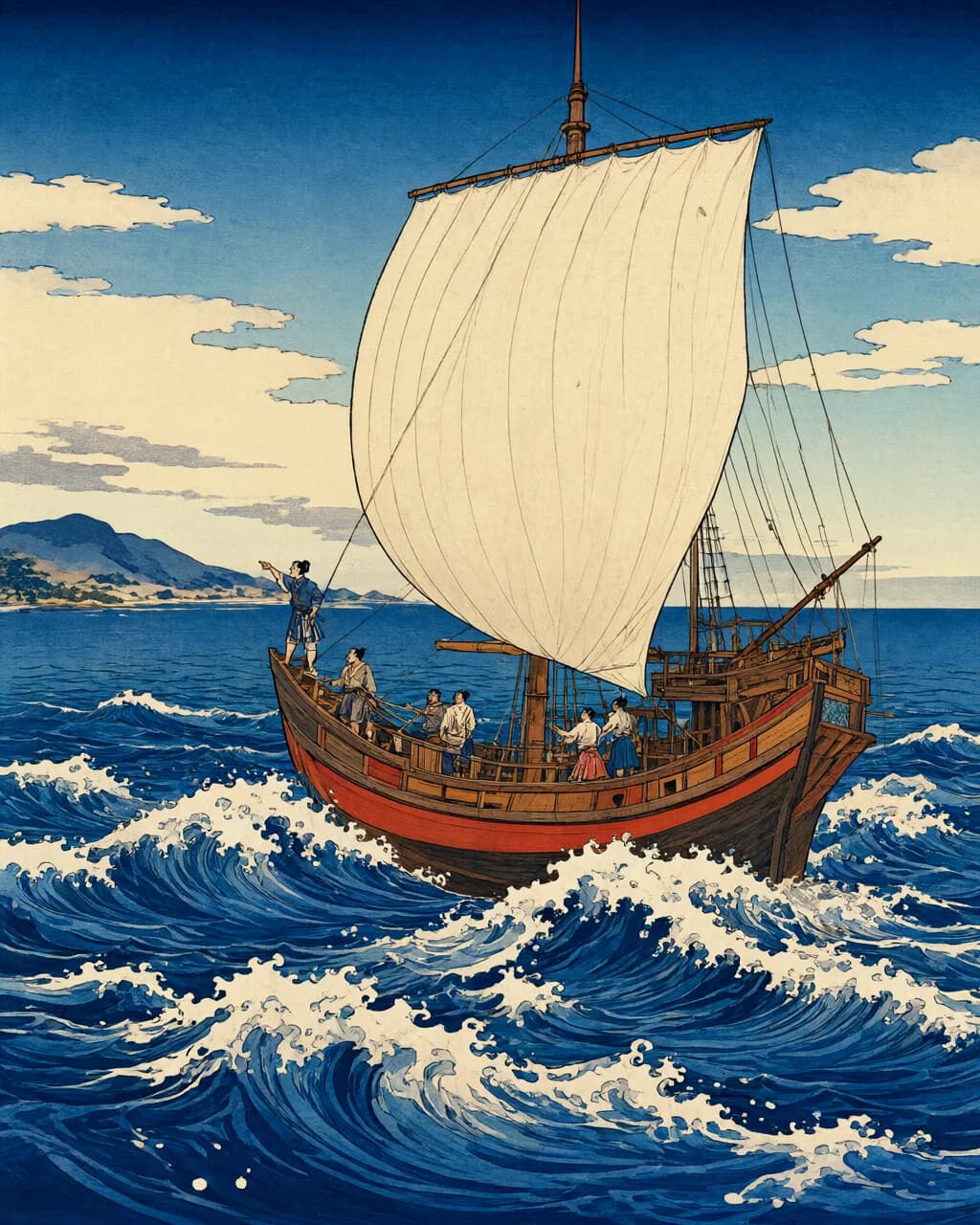
Driven by responsibility and belonging.
42.4% of people
Keepers combine attention to concrete reality with a preference for structure. They are the people who remember, maintain and protect: the routines, institutions and relationships that everyone else quietly depends on.
- What they bring to a group
- Reliability, memory for what has worked, and the steady upkeep that keeps people and organizations running.
- Where friction starts
- Wariness of untested change, and quiet resentment when their behind-the-scenes effort goes unnoticed.
Improvisers (SP)
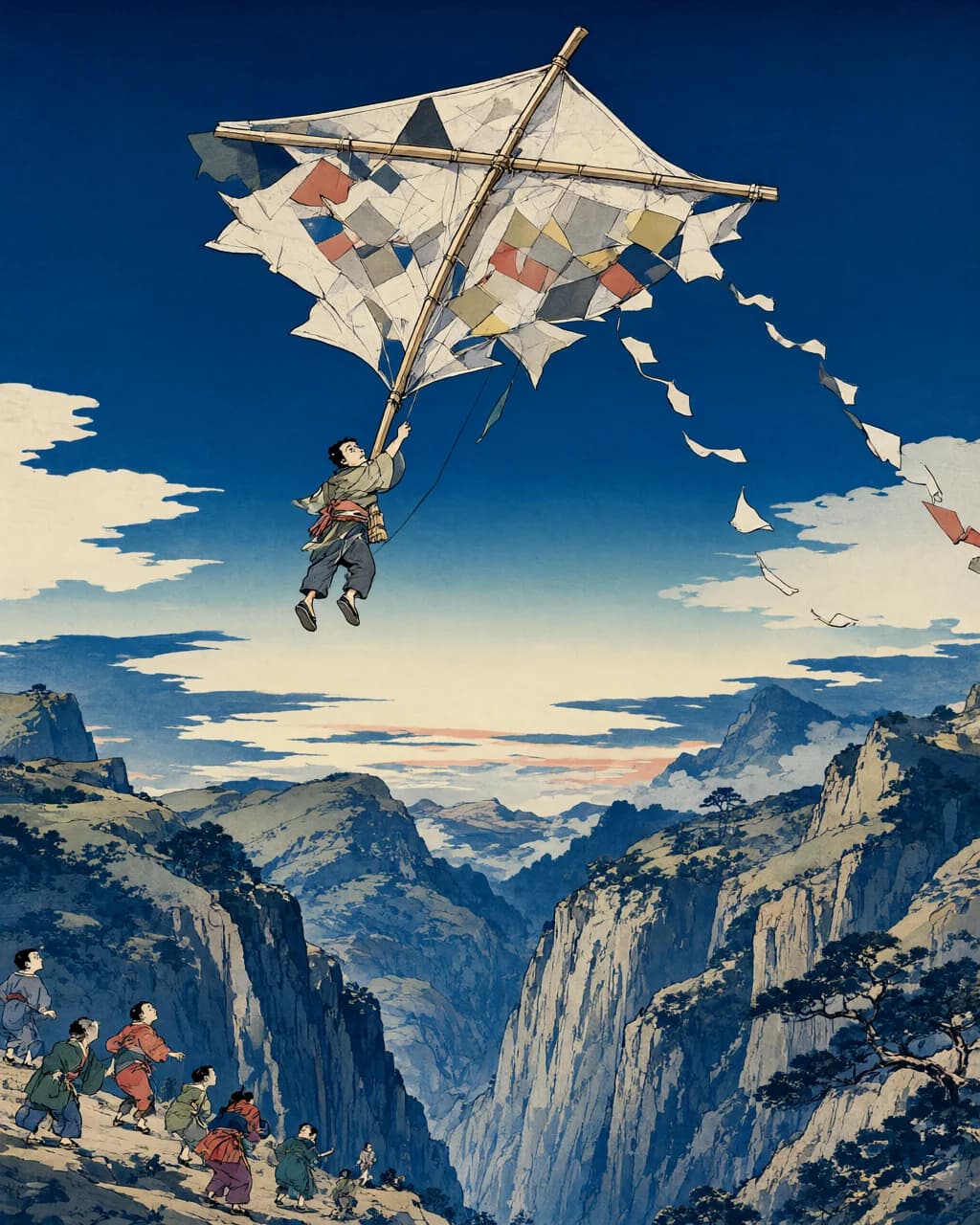
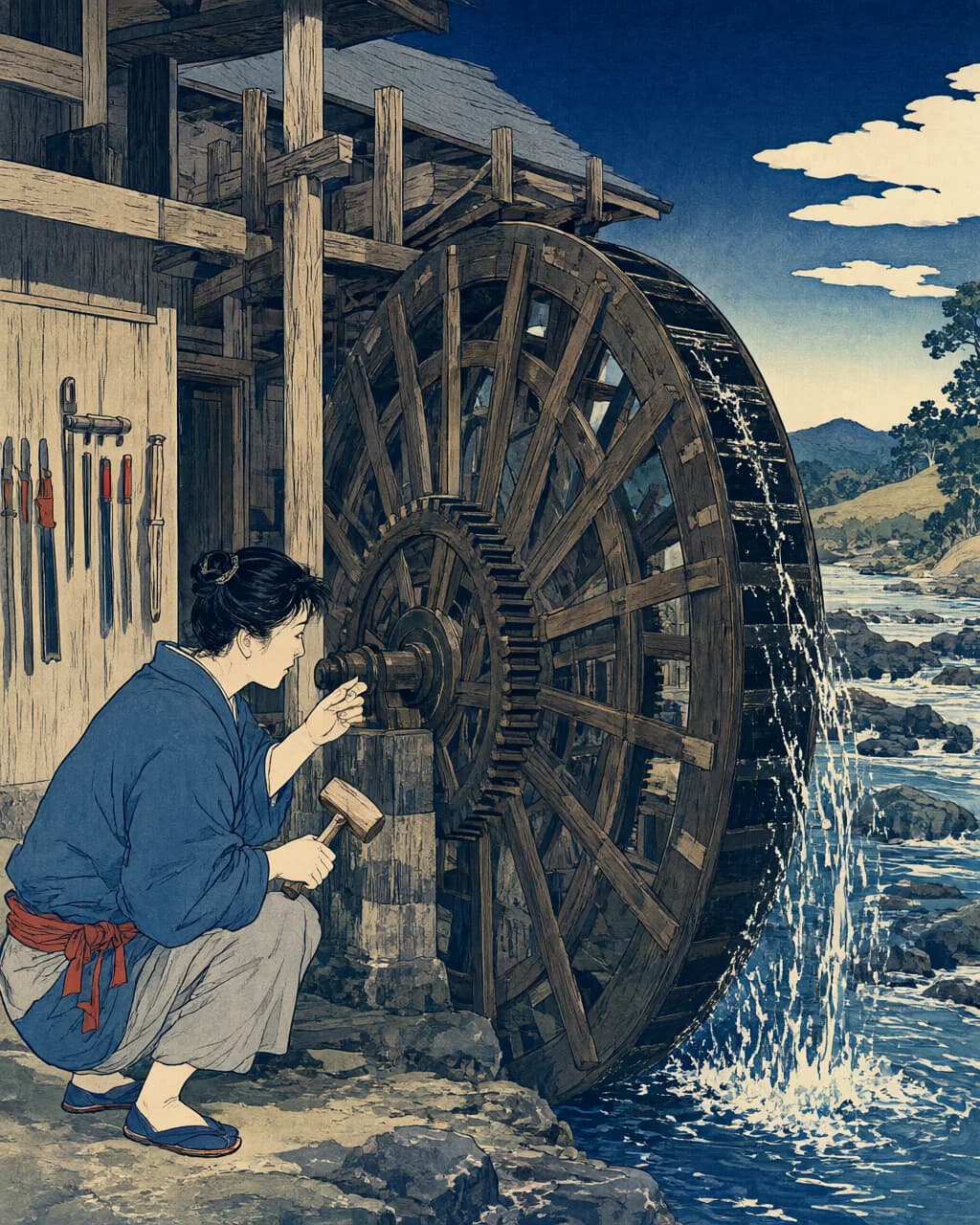
Driven by freedom and skilled action.
26.1% of people
Improvisers combine attention to concrete reality with a preference for flexibility. They read the moment, act on it, and are often at their sharpest when a situation is changing too fast for a plan.
- What they bring to a group
- Speed, practical skill and calm in a crisis, with a sharp eye for what is happening right now.
- Where friction starts
- Restlessness with long plans and procedures, and less patience for theory that has no use today.
How much to read into it
The families are a convenient summary, not a separate measurement: they follow directly from two of your four letters, so they inherit the same strengths and limits as the type code. They are most useful in groups, as a quick way to notice that a team made entirely of Keepers, or entirely of Strategists, may share the same blind spots.
Keep exploring
- The 16 typesJung's attitudes and functions, turned into four preferences and sixteen four-letter types by Briggs and Myers.
- The Big FiveFive broad traits found again and again when researchers analyze how people describe each other.
- Cognitive functionsEight mental processes, and the order each type is said to use them in.
- The Koseiha CompassOur map built on the two metatraits above the Big Five, Stability and Plasticity, with nine named regions.
See all of these frameworks applied to you.
Take the test