Keepers/SJ
The Steward
This profile speaks to you as if you are an ISFJ. If you have not taken the test yet, your own report adds your exact scores, your Mindprint and your compass region.
- Seal
- 守mamori, protection
- Share of people
- 10.6%1
- About
- 1 in 9
- Family
- Keepers
How Stewards see the world
- Caring
- Loyal
- Attentive
- Modest
- Dependable
- Patient
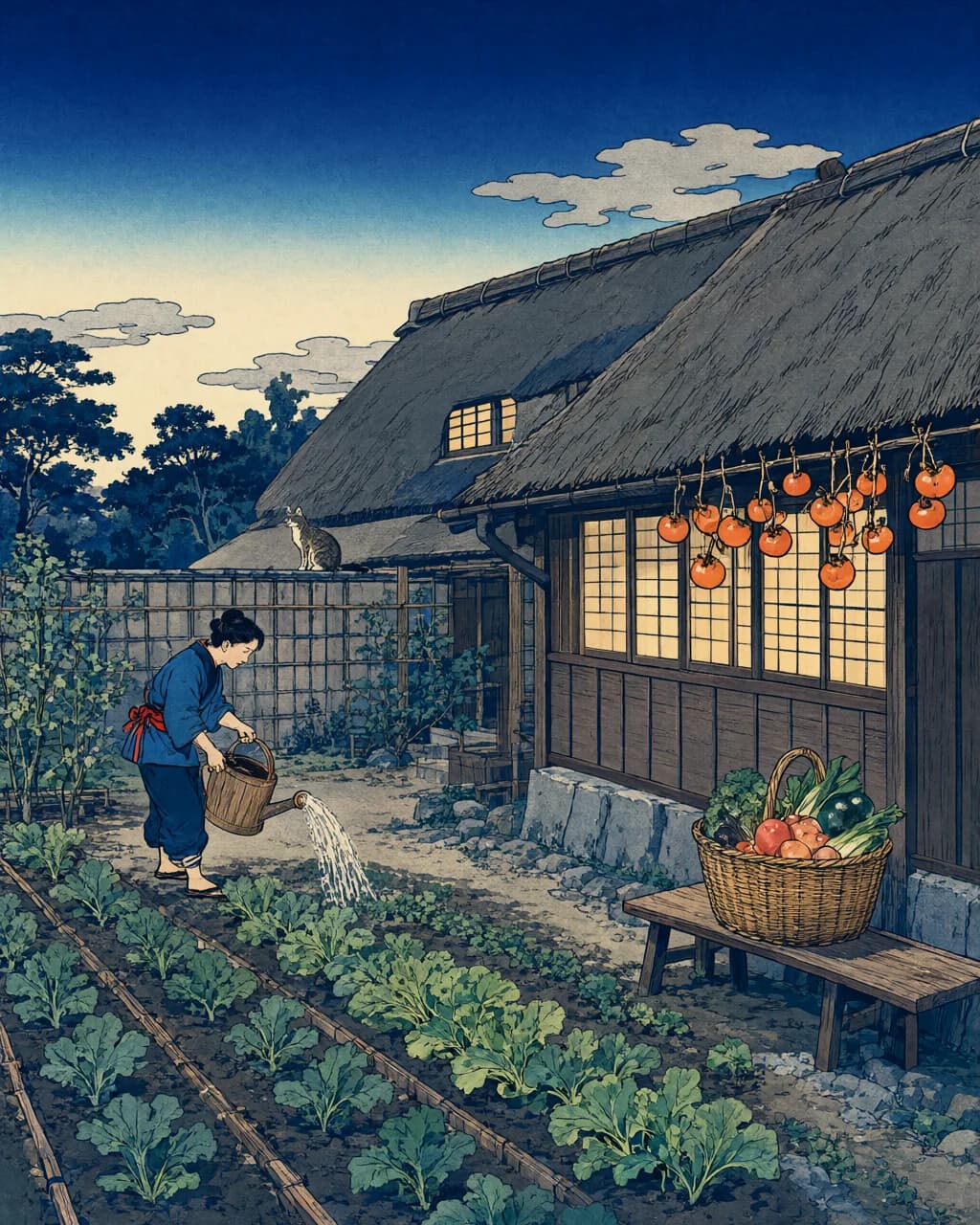
You notice what each person needs, remember it and quietly make sure they have it, often before they think to ask. Your care is patient, practical and exact, which makes you easy to rely on and, at times, too easy to take for granted.
- LeadSi Memory
Your Lead function is Introverted Sensing (Memory), and much of what it keeps is about people: who takes their coffee black, which colleague hates being put on the spot, what helped the last time a friend was grieving. Each new situation gets compared with that store, so you notice small changes quickly, such as a tired voice, a skipped lunch or a room that's colder than usual. You tend to trust methods that have proven themselves, not out of timidity but because you've seen how much a careless change can cost the people on the receiving end.
- SupportFe Harmony
Your Support function, Extraverted Feeling (Harmony), turns that knowledge into action. You decide by asking what will help the people involved and keep things good between them. Then you act, without fanfare: the forms filled in, the new person shown where everything is, the awkward silence eased. To others you tend to come across as gentle, courteous and easy to be around, and many realize only later how much you were doing. Because you adapt so readily, people can mistake your flexibility for having no preferences, when you simply find them hard to state.
- Relief and EdgeTi PrecisionNe Possibility
Your central balancing act is between looking after others and letting yourself be looked after. Your Relief function, Introverted Thinking (Precision), gives you a sharper, more analytical streak than people expect: you spot faulty reasoning, keep exacting private standards and enjoy getting things exactly right. Your Edge, Extraverted Intuition (Possibility), gets the least practice, so open-ended change and uncertain futures can feel more threatening than they are. Maturity tends to look like stating your own needs as plainly as you meet everyone else's, and approaching the unknown a little at a time instead of bracing against it.
Strengths
Remembering what matters
You remember the name of a colleague's dog, the allergy someone mentioned once and which client prefers a phone call to an email. People feel known around you, because the details you keep are the ones that matter to them.
Help that fits
You often spot what someone needs and supply it without being asked: the spare charger, the printed directions, the blanket for the friend who gets cold easily. Because your help is concrete and specific, it actually lands.
Patient follow-through
You stay with the long, unglamorous parts of a job: keeping records current, seeing a project through its slow middle, checking in on someone months after everyone else has moved on. Your effort tends not to fade when the attention does.
Spaces that work
You notice how surroundings affect people: the cluttered shared drive, the meeting room with no water, the chair that hurts someone's back. You put these right, usually unasked, and people often feel better in the space without knowing why.
Honesty, gently delivered
When something difficult has to be said, you tend to find the private moment, the careful wording and the practical next step. Friends often come to you for the honest version because they trust you not to make it hurt more than necessary.
Blind spots
Hard to say no
Because you can see the job that needs doing, you often end up doing it, even when it isn't yours. Refusing can feel unkind, so your load grows until you're worn out and others haven't learned to pick up their share.
Your own needs, unspoken
You notice everyone's needs except, sometimes, your own. You may hint rather than ask, then feel hurt when the hint is missed, which can leave people puzzled about why you've gone quiet.
A silent ledger
Your memory for detail also holds onto slights. Instead of raising a problem when it happens, you may file it away, and people can be startled by how long a grievance has been building before it finally surfaces.
Enduring too long
The patience that carries you through slow, difficult work can also keep you in arrangements that stopped serving you, like a draining role or a one-sided friendship, simply because the alternative is unfamiliar.
How your mind works
In Jungian type theory, ISFJ leads with Introverted Sensing (Memory) and balances it with Extraverted Feeling (Harmony).
Lead: Memory (your home base)
Introverted Sensing files away detailed impressions of what happened and how it felt, then uses that archive to read the present. People who lead with it notice when something is off from how it should be, trust proven methods, and keep track of details, routines and promises. It is the process behind reliability, careful upkeep and a strong sense of continuity.
Support: Harmony (your balancing partner)
Extraverted Feeling decides with people's needs and shared values in mind. It reads the emotional temperature of a room, adapts to others and works to build agreement and goodwill. People who lead with it express warmth and appreciation openly and feel responsible for how everyone is doing. It is the process behind hospitality, teamwork and the ability to bring a group together.
Relief: Precision (your playground)
Introverted Thinking analyzes from the inside, testing each idea against an internal model until it holds together. People who lead with it care about exact definitions, notice contradictions at once and would rather understand why something works than simply know that it does. It is the process behind troubleshooting, elegant solutions and independent thought.
Edge: Possibility (your growth edge)
Extraverted Intuition scans the outer world for possibilities. It leaps from one idea to the next related one, sees potential in people and situations, and asks “what if?” more often than “what is?”. People who lead with it brainstorm freely, reframe stuck problems and connect fields that seem unrelated. It is the process behind invention, improvised humor and contagious enthusiasm for new starts.
- SiLeadMemory · Introverted Sensing
- FeSupportHarmony · Extraverted Feeling
- TiReliefPrecision · Introverted Thinking
- NeEdgePossibility · Extraverted Intuition
At work
You tend to do your best work where careful effort keeps things running smoothly for other people. You like clear responsibilities, a steady rhythm and a visible line between your effort and someone being helped, whether that's a client, a student or the colleague who inherits your files. You work methodically and without fuss, and you often hold more know-how than anyone realizes. Recognition matters to you, though you'd usually rather receive it privately than in front of a room.
Fields people of this type often enjoy
- Allied health
- Veterinary care
- Library services
- IT support
- Payroll and benefits
- Historic preservation
- Clinical research
- Interior design
You do your best work when
- Your work clearly helps real people, even indirectly
- Roles are clear and the routine is reasonably stable
- Colleagues are courteous and pull their weight
- Careful effort is noticed and thanked, ideally in private
What drains you
- Tension that drags on because nobody addresses it
- Rushed changes that ignore how people will be affected
- Becoming the default home for everyone's leftover tasks
- Public criticism or being singled out without warning
Type describes preferences, not abilities. People of every type succeed in every field.
In relationships
Your love shows in attention that adds up over time: the favorite snack restocked, the appointment remembered, the umbrella packed because rain was forecast. Closeness builds slowly with you and lasts a very long time, and you'd usually choose a quiet evening with one person over a crowded night out. Because giving comes more easily to you than asking, the people who love you best are often the ones who notice what you need and offer it unprompted.
What you need from people close to you
- To be asked what you want, not just thanked
- Gentle, private conversations when something has gone wrong
- Specific appreciation that names what you did
- Time to adjust before big changes take effect
As a partner
In a partnership you tend to be devoted, attentive and steady. You learn how someone likes things done and gradually arrange daily life around it, keeping little rituals going for years, like the morning coffee or the message when they land safely. Raising a conflict may feel harder than living with it, so issues can build before you mention them. A partner who checks in gently and treats your preferences as seriously as their own helps you stay open.
As a friend
In friendship you show up, follow up and bring something useful. You may not be the loudest person at the table, but you are often the one who noticed that someone wasn't eating and asked, privately, if they were all right. Your wry asides tend to surprise people who mistook you for shy, and friendships with you often survive moves, busy years and long silences.
Talking with a Steward
Share these with the people around you.
- Thank Stewards specifically: name what they did and the difference it made.
- Raise concerns privately and gently; public criticism tends to land much harder.
- Ask what they'd prefer, and wait for a real answer rather than polite agreement.
- Check in if they go quiet; silence may mean something is wrong, not that all is well.
Under stress
- 1. StrainSi
Your Lead, Memory, works overtime: more of your usual style, applied less flexibly.
- 2. GripNe
If pressure keeps building, your Edge, Possibility, can take over in clumsy, out-of-character ways.
- 3. Recovery
Rest and the ways back listed here help you return to your usual balance.
At first you tend to do more: extra tidying, extra favors, extra hours spent putting things right. If that doesn't work, you may withdraw and turn unusually critical, keeping a private list of everyone who has let you down. Under heavy or prolonged strain, your Edge, Extraverted Intuition (Possibility), can take the wheel, clumsily, and fill your head with dark what-ifs: a late reply from someone you love becomes an accident, and a curt email from a colleague becomes proof that you've done something unforgivable.
Common triggers
- Being taken for granted by people you help
- Open conflict among friends, family or colleagues
- Sudden changes to routines people rely on
- Too many demands and no permission to refuse
Ways back to balance
- Hand one task back to its owner, without apologizing for it.
- Spend unhurried time somewhere familiar, with nobody to look after.
- Say the worry out loud to someone who will answer honestly.
- Check one frightening thought against what you know for certain right now.
Room to grow
Small, specific practices that tend to help people of this type most.
Name your own needs
Practice stating one preference a day in plain words, such as where to eat, which task you'd rather take or when you need to leave. Everyday requests build the habit, so the bigger ones become easier to say when they matter.
Raise it while it's small
When something bothers you, mention it within a day or two, in a couple of plain sentences, to the person involved. Small issues raised early rarely turn into conflicts; the ones stored for months often do, and they're much harder to untangle.
Let your sharp side speak
Your Relief, Introverted Thinking (Precision), often spots the flaw in a plan before anyone else does. Say it, kindly and early, rather than fixing the fallout later. Clear analysis is a form of care too, and teams need it as much as they need your help.
Try one new thing monthly
Each month, pick something unfamiliar but harmless (a route, a recipe, a tool at work) and notice what it gives you. Exercising your Edge, Extraverted Intuition (Possibility), when little is at stake makes larger changes feel less like threats.
Common misconceptions
MYTHStewards are pushovers
You may give way on small things to keep the peace, but you can be immovable on what matters, such as fairness, a promise or someone's safety. People who mistake your courtesy for weakness are often surprised by how firm you become.
MYTHStewards are helpers, not thinkers
Your Relief, Introverted Thinking (Precision), is a genuine analytical strength, and many Stewards hold the clearest picture in the room of how a process actually works. You tend to share that analysis selectively, with people you trust, so others often underestimate it.
MYTHStewards are selfless by nature
Generosity comes easily to you, but it isn't the same as having no needs. You have preferences, limits and ambitions of your own, and you tend to give most freely, and for longest, when you also rest, refuse some requests and let others look after you.
How common Stewards are
How often you will meet ISFJs, and how common each of their four letters is. Common or rare, no type is better than another.
10.6%
of people are Stewards (ISFJ): about 1 in 9, making it the 2nd most common type of sixteen.
Their four letters among everyone
- E Extraverted 38.8%61.2% Introverted I
- N Intuitive 31.5%68.5% Observant S
- T Thinking 52.1%47.9% Feeling F
- J Judging 52.5%47.5% Perceiving P
Their family, the Keepers
- Keepers SJ42.4%
- Improvisers SP26.1%
- Seekers NF19.2%
- Strategists NT12.3%
All sixteen types, most common first
- ISTJAnchor17.6%
- ISFJSteward10.6%
- ISTPTroubleshooter9.4%
- ESTJQuartermaster8.0%
- ENFPCatalyst7.5%
- ISFPArtist6.7%
- INFPWayfarer6.4%
- ESFJHearthkeeper6.3%
- ESFPSpark5.1%
- ESTPScout4.9%
- INTPCodebreaker4.5%
- INTJCartographer3.1%
- ENTPTrailblazer3.0%
- INFJLamplighter2.9%
- ENFJTorchbearer2.3%
- ENTJCaptain1.8%
Source: MBTI Global Step I results for a US sample of 3,578 adults, matched to US census targets (Schaubhut et al., 2018). Shares differ between countries, age groups and samples.
The other Keepers
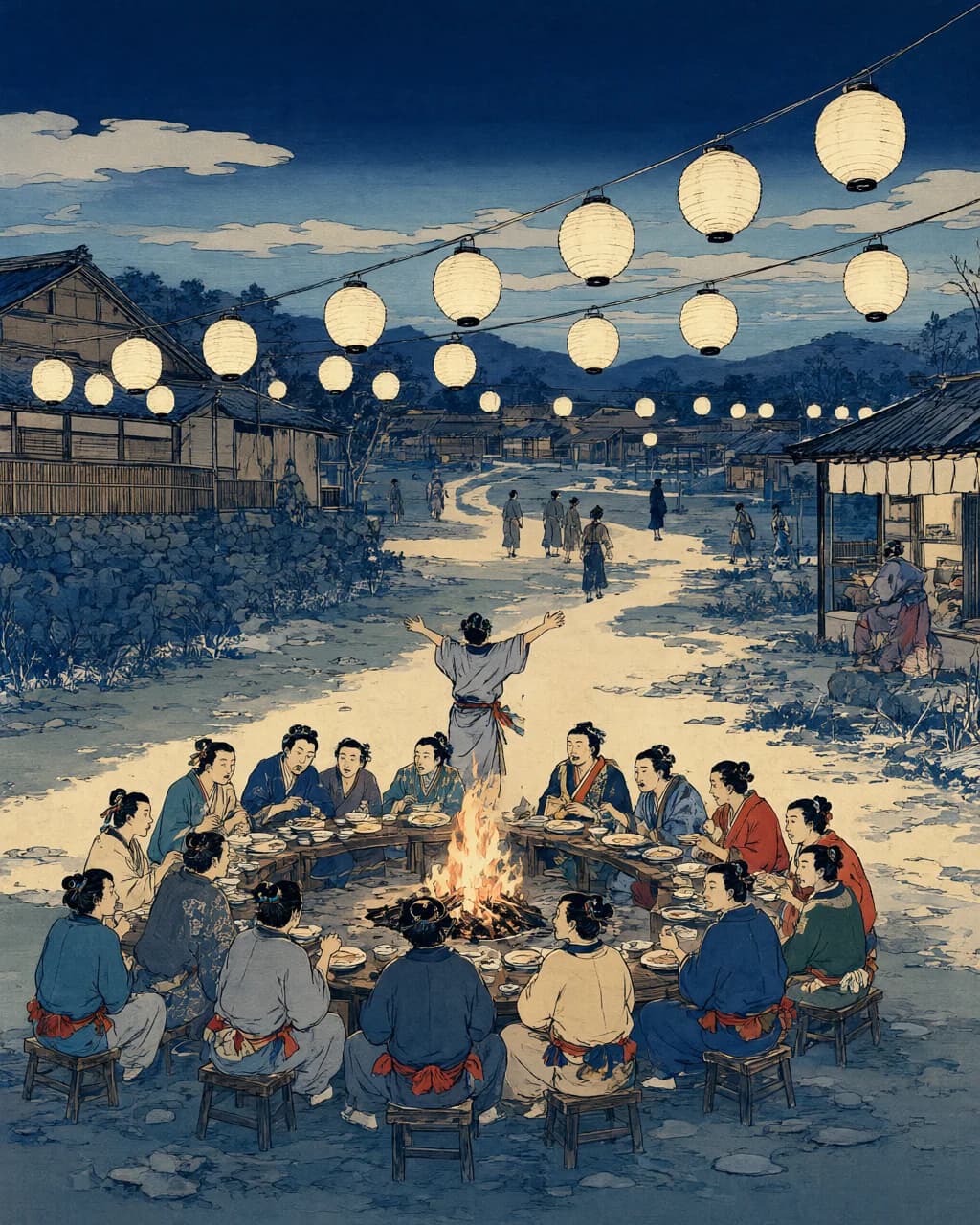
Keepers combine attention to concrete reality with a preference for structure. They are the people who remember, maintain and protect: the routines, institutions and relationships that everyone else quietly depends on.


The map of all sixteen
Where Stewards sit among the other fifteen types. Neighboring cells differ by a single letter.
Tinted cells are one letter away from ISFJ. Columns pair perception and decisions; rows pair energy and structure.
Source: MBTI Global Step I results for a US sample of 3,578 adults, matched to US census targets (Schaubhut et al., 2018). Shares differ between countries, age groups and samples.
Is ISFJ really you?
Reading a profile is a good start. The test shows where you actually land on each scale, including the close calls a four-letter code hides.
1 Share of a US sample of 3,578 adults who took the MBTI Global Step I assessment, recruited to match census targets (Schaubhut, Thompson, Morris and Arneson, 2018). Shares differ between countries, age groups and samples; treat them as rough guides.