Keepers/SJ
The Hearthkeeper
This profile speaks to you as if you are an ESFJ. If you have not taken the test yet, your own report adds your exact scores, your Mindprint and your compass region.
- Seal
- 和wa, harmony
- Share of people
- 6.3%1
- About
- 1 in 16
- Family
- Keepers
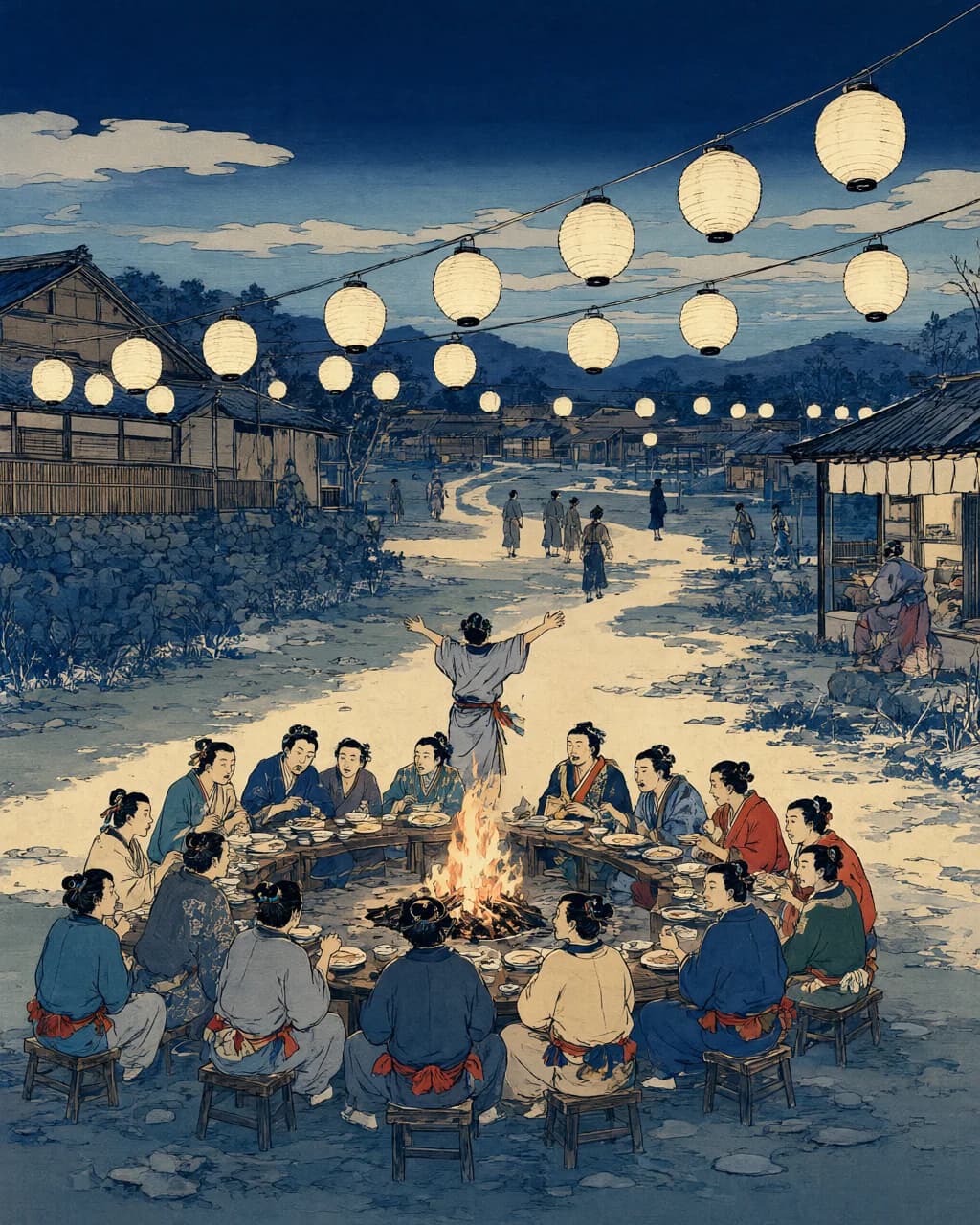
How Hearthkeepers see the world
- Warm
- Sociable
- Generous
- Conscientious
- Loyal
- Attentive
You notice how everyone in the room is doing and respond, drawing in whoever is on the outside and easing tension before it spreads. Your warmth is organized and reliable, so people keep coming back to the groups you're part of.
- LeadFe Harmony
Your Lead, Extraverted Feeling (Harmony), tunes you to the emotional weather of any room you walk into. Within minutes you tend to register who is tense, who is new, who has gone quiet and what the moment needs: a joke, an introduction, a plate of food or a change of subject. Then you act on it, often before you've consciously decided to. Shared courtesies matter to you because they let people relax together, and few things satisfy you more than watching a set of near-strangers turn into a real team, club or circle of friends.
- SupportSi Memory
Introverted Sensing (Memory), your Support function, gives that warmth continuity. You keep track of each person's news (you're the one who asks how the interview went) and of the group's own history: the annual dinner, the running jokes, the way birthdays get marked. You decide by drawing on what has brought people together before. People tend to describe you as warm, organized and generous, someone who remembers and follows through. You can also seem very sure about the right way to do things, because you've seen what happens when they're done carelessly.
- Relief and EdgeNe PossibilityTi Precision
For Hearthkeepers, the core tension is between keeping the peace and saying the hard thing. Extraverted Intuition (Possibility), your Relief function, brings a playful, inventive side: fresh ideas for bringing people together, quick humor, a knack for seeing what someone could become. Overused, it can scatter you across too many plans and people. Your Edge, Introverted Thinking (Precision), is the cool, impersonal analysis you use least, so disagreement can feel like rejection. Maturity often brings the ability to hear criticism as information and to let someone be unhappy with you for a while when the right thing requires it.
Strengths
Making people welcome
You notice the person standing alone at a gathering, introduce them to someone with a shared interest and check on them later. People often remember you as the reason they first felt they belonged somewhere.
Organized generosity
Your care comes with logistics. When someone is ill, grieving or moving, you set up the meal schedule, organize the card and make sure the help keeps coming after the first week, when many people drift away.
Easing tension early
You often sense friction before it surfaces, in a short reply or a stiff meeting, and step in with a private word, a lighter moment or a well-placed break. Many disagreements around you get settled before they harden into feuds.
Keeping traditions alive
You keep up the rituals that give a group its shape: the monthly team breakfast, the end-of-season party, the message on someone's work anniversary. They help people feel part of something, and they rarely survive without someone like you tending them.
Occasions done right
When you say you'll handle something, you handle it, usually with thoughtful touches nobody asked for. People tend to trust you with the occasions where details and feelings both matter, such as a farewell, a welcome or a difficult announcement.
Blind spots
Needing approval
Because you feel the mood of a room so strongly, disapproval can sting more than the moment deserves. You may work hard to win over someone who was never going to be won, at a real cost to your time and peace of mind.
Smoothing over real problems
Your talent for easing tension can stop a needed argument from happening. Problems that call for an uncomfortable conversation may get a joke or a kind gesture instead, and then return later, larger and harder to fix.
Help that oversteps
Your help can arrive faster and bigger than it was asked for. Organizing someone's recovery, party or job search may feel like love to you and like losing control to them, especially if they're a private person.
The proper way
You know how things are usually done, and departures from that can look like carelessness or even disrespect to you. You may judge someone who skips the thank-you message or ignores the dress code more harshly than they deserve.
How your mind works
In Jungian type theory, ESFJ leads with Extraverted Feeling (Harmony) and balances it with Introverted Sensing (Memory).
Lead: Harmony (your home base)
Extraverted Feeling decides with people's needs and shared values in mind. It reads the emotional temperature of a room, adapts to others and works to build agreement and goodwill. People who lead with it express warmth and appreciation openly and feel responsible for how everyone is doing. It is the process behind hospitality, teamwork and the ability to bring a group together.
Support: Memory (your balancing partner)
Introverted Sensing files away detailed impressions of what happened and how it felt, then uses that archive to read the present. People who lead with it notice when something is off from how it should be, trust proven methods, and keep track of details, routines and promises. It is the process behind reliability, careful upkeep and a strong sense of continuity.
Relief: Possibility (your playground)
Extraverted Intuition scans the outer world for possibilities. It leaps from one idea to the next related one, sees potential in people and situations, and asks “what if?” more often than “what is?”. People who lead with it brainstorm freely, reframe stuck problems and connect fields that seem unrelated. It is the process behind invention, improvised humor and contagious enthusiasm for new starts.
Edge: Precision (your growth edge)
Introverted Thinking analyzes from the inside, testing each idea against an internal model until it holds together. People who lead with it care about exact definitions, notice contradictions at once and would rather understand why something works than simply know that it does. It is the process behind troubleshooting, elegant solutions and independent thought.
- FeLeadHarmony · Extraverted Feeling
- SiSupportMemory · Introverted Sensing
- NeReliefPossibility · Extraverted Intuition
- TiEdgePrecision · Introverted Thinking
At work
At your best you turn a workplace into a team without losing sight of the work itself. You tend to notice who is struggling, who is overlooked and what the group needs in order to function, and then you organize the practical response. You like clear expectations, regular contact with people and results you can see. Roles that mix coordination with human contact suit you well, and you often become the person new hires go to first.
Fields people of this type often enjoy
- Hospitality
- Community organizing
- Human resources
- Teaching
- Customer success
- Fundraising
- Public health
- Sales
You do your best work when
- The team cooperates and says thank you out loud
- Your work makes a visible difference to people
- Expectations are clear and colleagues keep commitments
- Most of your day involves real contact with people
What drains you
- Cold cultures where good work goes unacknowledged
- Ongoing conflict, cliques or people being frozen out
- Harsh criticism, especially in front of others
- Decisions made without regard for the people affected
Type describes preferences, not abilities. People of every type succeed in every field.
In relationships
You tend to love out loud. You say the warm thing, mark the occasions, plan the surprise and keep in touch when life gets busy. You invest heavily in the people close to you and build a wide web of connection around them, introducing friends to friends until your circles overlap. Being needed matters to you, and so does being appreciated in return: effort that goes unreturned can hurt more than you let on.
What you need from people close to you
- Warm, spoken appreciation for what you give
- Quick repair after conflict, not cold silence
- A say in plans that affect you
- Loyalty in public and honesty in private
As a partner
As a partner you are affectionate, attentive and committed to building a shared life: routines, traditions, friends in common. You notice your partner's moods quickly and want to talk things through promptly. You may need more spoken reassurance than a reserved partner naturally gives, and a silent dinner can start to feel like a sign that something is wrong. Saying what you need directly, instead of waiting to be read, tends to help you both.
As a friend
As a friend you are both the organizer and the welcome committee: you plan the reunion, remember the birthdays and bring newcomers along so they meet people. You tend to stay in touch through every stage of life. Friends rely on your warmth and follow-through, and on your honest, often very funny read of the people and situations in their lives.
Talking with a Hearthkeeper
Share these with the people around you.
- Open with warmth or something you appreciate; it makes the rest easier to hear.
- Criticize the plan rather than the person, and do it privately.
- Reply to their messages and invitations, even if the answer is no.
- Tell them directly how you feel; they would rather know than guess.
Under stress
- 1. StrainFe
Your Lead, Harmony, works overtime: more of your usual style, applied less flexibly.
- 2. GripTi
If pressure keeps building, your Edge, Precision, can take over in clumsy, out-of-character ways.
- 3. Recovery
Rest and the ways back listed here help you return to your usual balance.
Your first response to stress is often to work harder at pleasing everyone, saying yes to every request and smoothing over every rough patch. When that stops working, your Edge, Introverted Thinking (Precision), can take charge, and not gracefully. You may turn unusually cold and critical, picking apart someone's logic or listing their faults, or turn the analysis on yourself and conclude you're incompetent. Some Hearthkeepers replay a conversation again and again, hunting for the exact moment it went wrong.
Common triggers
- Coldness or conflict with someone you love
- Being excluded, criticized or talked about behind your back
- More commitments than you can keep, with none to drop
- Rudeness or unfairness toward your people
Ways back to balance
- Seek out one or two people who need nothing from you.
- Cancel one commitment and notice that nothing falls apart.
- Write down the criticism and separate the useful part from the tone.
- Do something restful on your own, without organizing it for anyone.
Room to grow
Small, specific practices that tend to help people of this type most.
Let someone be disappointed
Practice making a reasonable decision that disappoints someone, then let the disappointment sit without rushing to fix it. Most relationships survive it, and you'll learn that your worth isn't put to a vote every time you say no.
Ask what help is wanted
Before organizing support for someone, ask what kind of help they'd like, then offer exactly that. Some people want a meal schedule and a crowd of visitors; others want one quiet visit and their privacy respected.
Practice cool analysis
Now and then, judge a plan, purchase or argument purely on its logic, as if no one's feelings were involved. Exercising your Edge, Introverted Thinking (Precision), in calm moments makes criticism easier to hear and disagreement easier to voice.
Go to the person directly
When something is wrong between you and someone, talk to them before you talk about it with anyone else. Checking your read with friends feels natural, but a calm, direct conversation is usually kinder, faster and better for the group.
Common misconceptions
MYTHHearthkeepers will do anything to be liked
You do care how people feel, and disapproval can sting. But the group's well-being usually matters more to you than your own popularity, and many Hearthkeepers will spend a great deal of goodwill defending someone who is being excluded or treated unfairly.
MYTHHearthkeepers are all small talk
Small talk is often how you take the temperature of a room and find out who needs what. Once you know someone well, your conversations tend to go deep, and your memory for the details of their lives makes those conversations unusually personal.
MYTHHearthkeepers are conformists
You value shared customs because they give people a way to belong. When a custom leaves someone out, though, you are often the first to change it, quietly adapting the tradition to fit the people actually in the room.
How common Hearthkeepers are
How often you will meet ESFJs, and how common each of their four letters is. Common or rare, no type is better than another.
6.3%
of people are Hearthkeepers (ESFJ): about 1 in 16, making it the 8th most common type of sixteen.
Their four letters among everyone
- E Extraverted 38.8%61.2% Introverted I
- N Intuitive 31.5%68.5% Observant S
- T Thinking 52.1%47.9% Feeling F
- J Judging 52.5%47.5% Perceiving P
Their family, the Keepers
- Keepers SJ42.4%
- Improvisers SP26.1%
- Seekers NF19.2%
- Strategists NT12.3%
All sixteen types, most common first
- ISTJAnchor17.6%
- ISFJSteward10.6%
- ISTPTroubleshooter9.4%
- ESTJQuartermaster8.0%
- ENFPCatalyst7.5%
- ISFPArtist6.7%
- INFPWayfarer6.4%
- ESFJHearthkeeper6.3%
- ESFPSpark5.1%
- ESTPScout4.9%
- INTPCodebreaker4.5%
- INTJCartographer3.1%
- ENTPTrailblazer3.0%
- INFJLamplighter2.9%
- ENFJTorchbearer2.3%
- ENTJCaptain1.8%
Source: MBTI Global Step I results for a US sample of 3,578 adults, matched to US census targets (Schaubhut et al., 2018). Shares differ between countries, age groups and samples.
The other Keepers
Keepers combine attention to concrete reality with a preference for structure. They are the people who remember, maintain and protect: the routines, institutions and relationships that everyone else quietly depends on.


The map of all sixteen
Where Hearthkeepers sit among the other fifteen types. Neighboring cells differ by a single letter.
Tinted cells are one letter away from ESFJ. Columns pair perception and decisions; rows pair energy and structure.
Source: MBTI Global Step I results for a US sample of 3,578 adults, matched to US census targets (Schaubhut et al., 2018). Shares differ between countries, age groups and samples.
Is ESFJ really you?
Reading a profile is a good start. The test shows where you actually land on each scale, including the close calls a four-letter code hides.
1 Share of a US sample of 3,578 adults who took the MBTI Global Step I assessment, recruited to match census targets (Schaubhut, Thompson, Morris and Arneson, 2018). Shares differ between countries, age groups and samples; treat them as rough guides.